Local Power Plan launched as latest Hub-supported community energy projects get underway
The government and Great British Energy have published the Local Power Plan described as “the biggest expansion of support for community owned energy in British history to cut bills and build wealth in communities”.
The Plan is backed by up to £1 billion to support local and community energy projects so communities can own and control their own energy, cutting bills and creating real local benefits.
The Hub has produced a briefing note on the Local Power Plan Briefing which you can download here
Publication of the plan comes as the latest round of nationally-funded community energy projects supported by the North East and Yorkshire Net Zero Hub get underway across our region.
Grants from the Great British Energy Community Fund (GBECF) have offered up to £140,000 of funding for feasibility studies and project development of local energy projects which local people benefit from.
The fund is managed by five regional Net Zero Hubs across England, who oversee applications and funding distribution.
Five projects from the first round of allocations from the fund are now underway:
- Community Action Northumberland. Feasibility studies for community-owned solar panels and battery storage on a further 8 buildings in Northumberland and planning permission for 16 buildings that have already received feasibility studies following funding from the Community Energy Fund. The project will benefit the community by reducing energy costs for these community buildings, supporting community resilience while reducing environmental impact.
- The Ouseburn Trust: Development of an earlier Community Energy Fund grant investigating their building’s energy efficiency and opportunities to generate and store electricity. The group will explore utilising heat pumps, solar and installation of an electric charging point for bikes/cargo bikes for local community use. The project will be 100% community-owned and will reduce the impact of rising energy costs to the trust and charitable tenants ensuring their services are sustained, with surplus funds reinvested in community projects. The E-bike hire scheme will also offer a new transport option and reduce car usage locally.
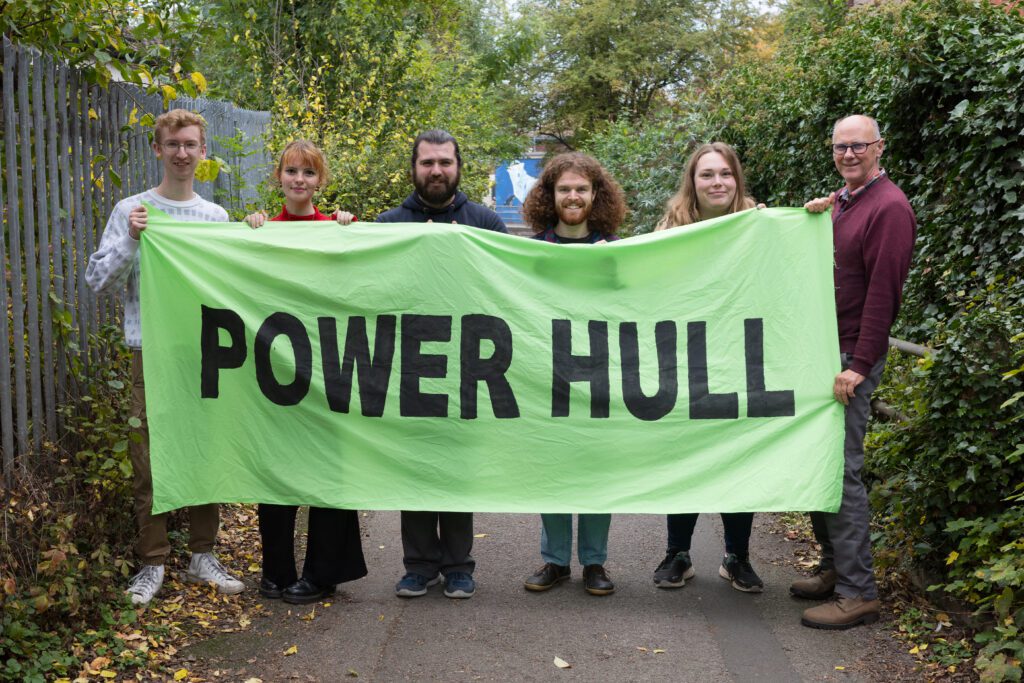
- Power Hull: Feasibility funding for an Energy Local Co-op utilising existing solar arrays in the local area. The project will be at least 50% community-owned with the community benefiting by saving 10-20% in energy costs if they join the energy club and any surplus funds will be distributed locally.
- SY Ecofit: Development of a project at Cliffe House Farm incorporating Solar PV and an anaerobic digestor to the investment ready stage. Project will be 100% community-owned, with local people able to participate in a community share offer. A community benefit fund will also support local initiatives and the reduced operational costs will ensure the long-term sustainability of the farm. Shared learning could support similar projects on other farms.
- SY Ecofit: Feasibility funding of Solar PV, Battery Storage, Biomass heat network, EV infrastructure and Anaerobic Digestion being incorporated at a Grade 1 listed house and estate, Wentworth Woodhouse. The project will explore the assets being owned by a Community Benefit Society, with finance raised through a community share offer, ensuring that it is 100% community owned. The community will benefit from this project via a community share offer, a community benefit fund will support local initiatives and the reduced operational costs will ensure the long-term sustainability of Wentworth Woodhouse and shared learning could support similar projects on other heritage sites.
Power Hull has also recently received funding from the Norther Powergrid Community Foundation to install of 23 solar panels, generating 24kwH of power, at the Lonsdale Community Centre. In the event of power cuts, the battery storage can also provide local power and heat for two days. The project also featured on BBC news, with Dave Coates, the centre manager, saying:
“The panels are making a huge difference. Our energy bills have plummeted, meaning we can focus on helping our community.”
Five projects will also receive almost £250,000 of funding from the second round of allocations from GBECF. These projects are:
- Weardale Renewables: 600kW solar panels on a restored limestone quarry in Weardale, County Durham, offering potential lower energy tariffs for local residents and businesses and with surplus fund invested in a community benefit fund.
- Development of two more rooftop solar sites by York Community Energy, revenue from which will support community projects and fund York Energy Advice service.
- Plans for district heating networks for three residential areas in Harrogate developed by the local town council.
- A community pyrolysis and biochar project in Sheffield, proposing to use woodchip and other locally available biomass to generate low carbon heat and power and carbon sequestering biochar. Surplus funding will be used to support local projects affected by fuel poverty.
- Plans for 15 community centres in Durham to develop a joint solar project which could deliver almost 140,000kWh of renewable energy while reducing energy costs for the centres and even generating funds for local projects.